
Christmas is often described as a season of joy and togetherness, but if you grew up in a dysfunctional family, it can be one of the most stressful times of the year. When idealized images of a “perfect” Christmas collide with family tension or unresolved conflict, exhaustion often replaces joy.
You may face loneliness if you’ve gone no-contact or been excluded, or feel guilty for not taking part. Old triggers can reappear. Alcohol may heighten emotions. And sometimes, manipulative kindness shows up – gestures that look caring but carry hidden expectations.
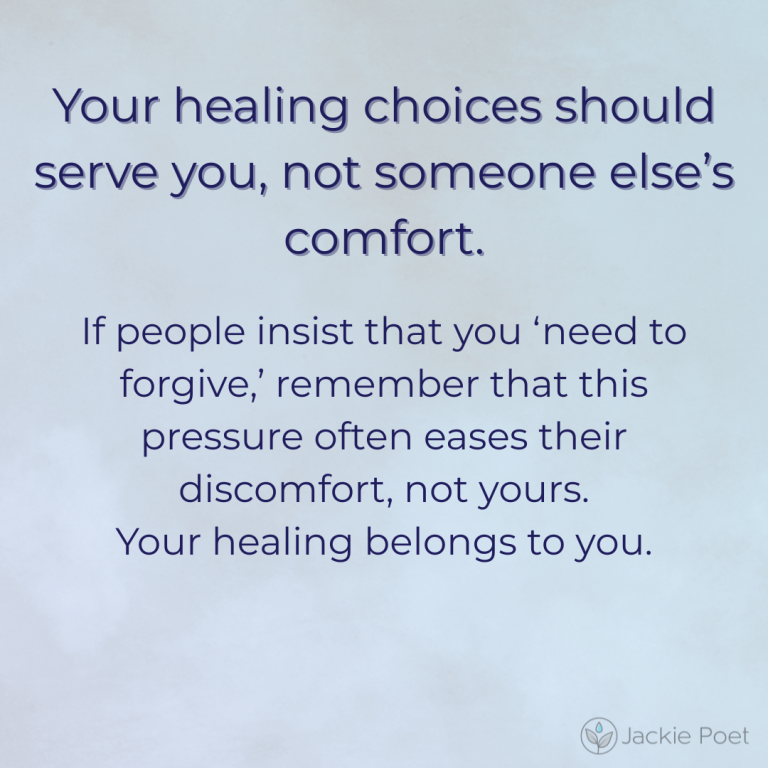
If gatherings leave you anxious or drained, remember you are not obliged to attend. You’re allowed to protect your emotional safety.
If you do attend, plan ahead. Set boundaries, think through how you’ll respond if they’re crossed, and decide in advance how long you’ll stay. It’s perfectly fine to arrive late, leave early, or limit how much time you spend in difficult company.
You can also choose to create your own traditions quiet, simple, or shared with supportive friends. A peaceful day on your own terms is just as valid as a busy family gathering.
There’s no single “right” way to spend Christmas.
What matters most is that you take care of your wellbeing and act in ways that feel authentic and sustainable.
You deserve holidays that feel genuine, calm, and safe; whatever that looks like for you.
Continue your healing journey with Toxic by Jackie Poet a compassionate guide to understanding and overcoming the lasting effects of childhood trauma.