
Family gatherings can be difficult if you grew up in a dysfunctional or toxic environment.
Even when you want things to go well, these occasions can reopen old wounds and bring back familiar tensions. You may feel pressure to attend or to keep the peace, even when doing so costs your wellbeing.
It helps to begin by managing your expectations. You can’t control how other people behave; you can only manage your own reactions. Accepting this truth can take some of the pressure off and help you stay more grounded.
Planning ahead is another useful step. Set clear boundaries and think through what you’ll do if those boundaries are crossed. Deciding in advance how long you’ll stay, or having a plan to leave when you need to, can make gatherings more manageable.
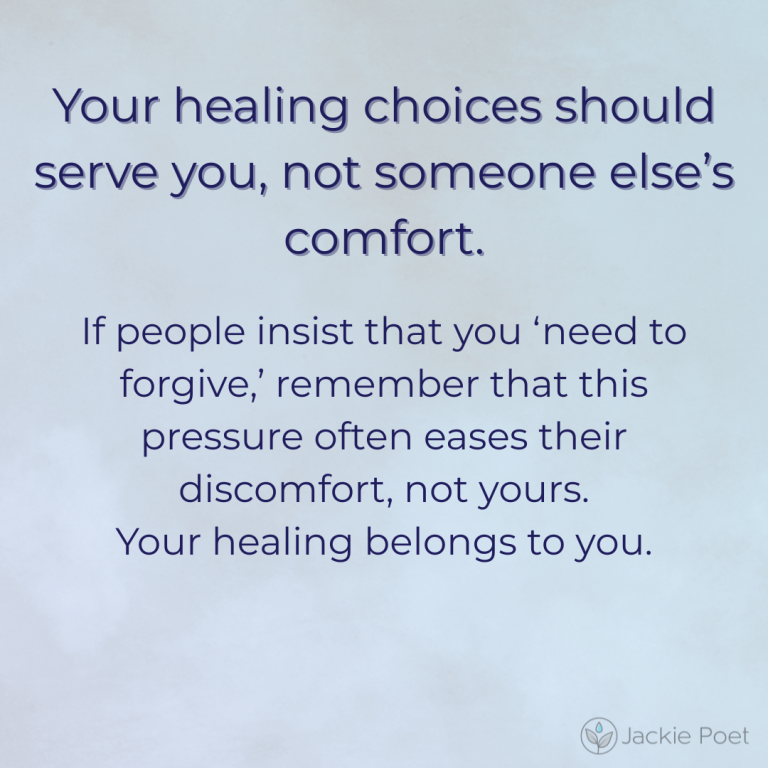
It’s also entirely acceptable to decide not to attend at all. You owe it to yourself to act in the best interests of your mental health, no matter what others expect. Choosing distance doesn’t mean you’ve given up; it means you’ve recognized what’s safe and sustainable for you.
Dysfunctional families often bring their own baggage to these events. How much you enjoy them depends partly on how much you’ve processed your own emotions, and partly on how willing others are to face difficult truths. You can influence the first, but not the second.
Whether you decide to go, stay briefly, or not attend, you have the right to make choices that support your wellbeing.
This isn’t selfish. It’s self-preservation and self-respect.
You’re allowed to protect yourself, set limits, and create a calmer experience that reflects where you are in your healing.
Continue your healing journey with Toxic by Jackie Poet a compassionate guide to understanding and overcoming the lasting effects of childhood trauma.